 blog
What Gear Do You Need for a Weekend Hiking Trip?
Last Updated: November 20, 2026
Quick Summary
Build your weekend hiking gear from the 10 Essentials for Hiking, then add trip-specific items. Day hikers need a 15 to 25 liter pack, while overnight trips require shelter, a sleep system, and a 40 to 65 liter pack. Aim for a loaded pack under 20 percent of your body weight.
- The 10 Essentials cover navigation, sun protection, insulation, illumination, first aid, fire, repair, nutrition, hydration, and emergency shelter.
- A typical day-hike pack weighs around 8 to 15 pounds and carries 1.5 to 3 liters of water.
- Shelter, sleep system, and pack make up roughly 60 to 70 percent of base weight.
- Plan about one and a half times the calories you would eat at home for a three-day trip.
- Pitch the tent and light the stove at home before your trip, not at camp in the dark.
Table of Contents
- Start With the 10 Essentials for Hiking, Then Add Trip-Specific Gear
- Hiking Essentials for Beginners: What Actually Matters
- Day Hike vs. Overnight: How Weekend Hiking Gear Changes
- Three-Day Hiking Trip Packing List: Shelter, Sleep, and Food
- Pack Weight Targets and Budget Tiers for Weekend Hiking Gear
- Season, Climate, and Route Adjustments to Your Checklist
- Download a Backpacking Checklist PDF and Run a Pre-Trip Gear Check
- Stock Your Weekend Hiking Gear at Get Camping Store
- Frequently Asked Questions
Start With the 10 Essentials for Hiking, Then Add Trip-Specific Gear
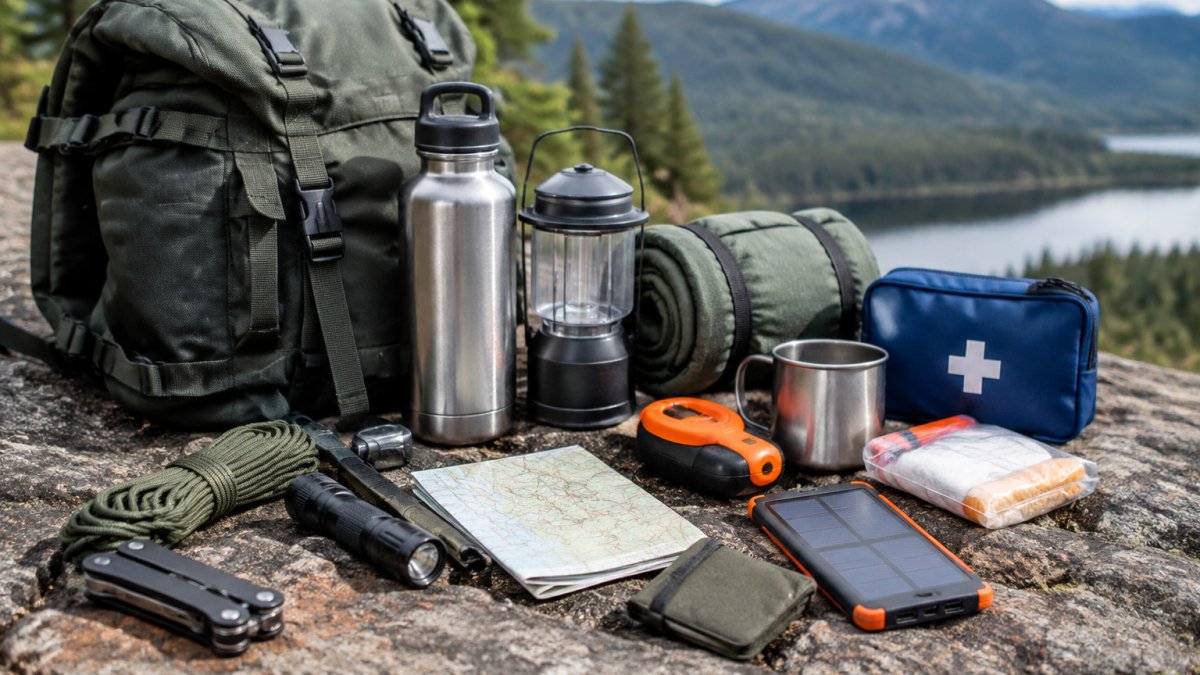
The fastest way to pack for a weekend trip is to build from the 10 Essentials for Hiking, a standard framework that covers navigation, sun protection, insulation, illumination, first aid, fire, repair tools, nutrition, hydration, and emergency shelter. At Get Camping Store, we tell first-time weekend hikers to start with that core list, then add gear for the specific trip.
The framework comes from the Mountaineers' Ten Essentials system, which outdoor educators have refined for decades. It works because it forces you to think about survival needs before comfort items.
Here is the short version:
- Navigation: map, compass, and a charged phone
- Sun protection: sunscreen, sunglasses, and a hat
- Insulation: an extra layer beyond what you plan to wear
- Illumination: a headlamp with spare batteries
- First aid: a stocked kit plus any personal medication
- Fire: waterproof matches or a lighter
- Repair: multi-tool, duct tape, and a patch kit
- Nutrition: more food than the hike requires
- Hydration: water plus a way to treat more
- Emergency shelter: a space blanket or bivy
That list is your baseline. Everything else depends on whether you are hiking out and back in a day or sleeping on the trail.
Hiking Essentials for Beginners: What Actually Matters
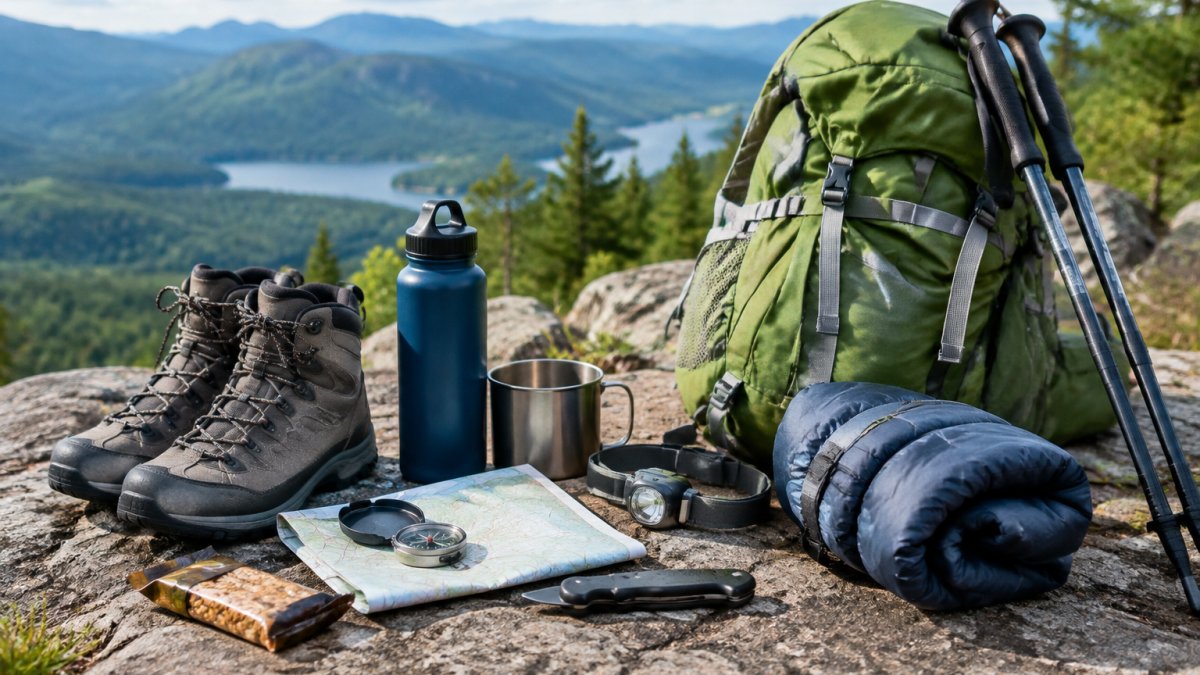
Beginners overbuy. The gear that genuinely matters for a first weekend hike is footwear, layers, water, and a working light. Everything else you can add later.
Start with hiking essentials for beginners that solve real problems:
- Hiking footwear. Trail shoes or light boots with a broken-in fit. A common mistake is buying stiff boots the week of the trip.
- Moisture-wicking clothing. Skip cotton next to your skin. Synthetics or wool dry faster and keep you warmer when wet.
- Layers. A base layer, a fleece or light puffy, and a rain shell cover most three-season weekends.
- Water and a filter. Carry what you need plus a backup treatment method.
- A headlamp. Even on a day hike. Sunset arrives faster than you expect.
- A small first aid kit. Blister care, pain relief, and an ace bandage.
A reliable rechargeable light belongs in every beginner kit. If you are assembling one from scratch, a USB chargeable strong light handheld flashlight covers the illumination item without adding much weight.
Day Hike vs. Overnight: How Weekend Hiking Gear Changes
Most packing lists blur two different trips. A Saturday out-and-back and a two-night overnight share a core kit, but they diverge sharply on volume, weight, and the gear that decides whether you sleep warm. Build the core first, then add the overnight layer only if you are actually sleeping on the trail.
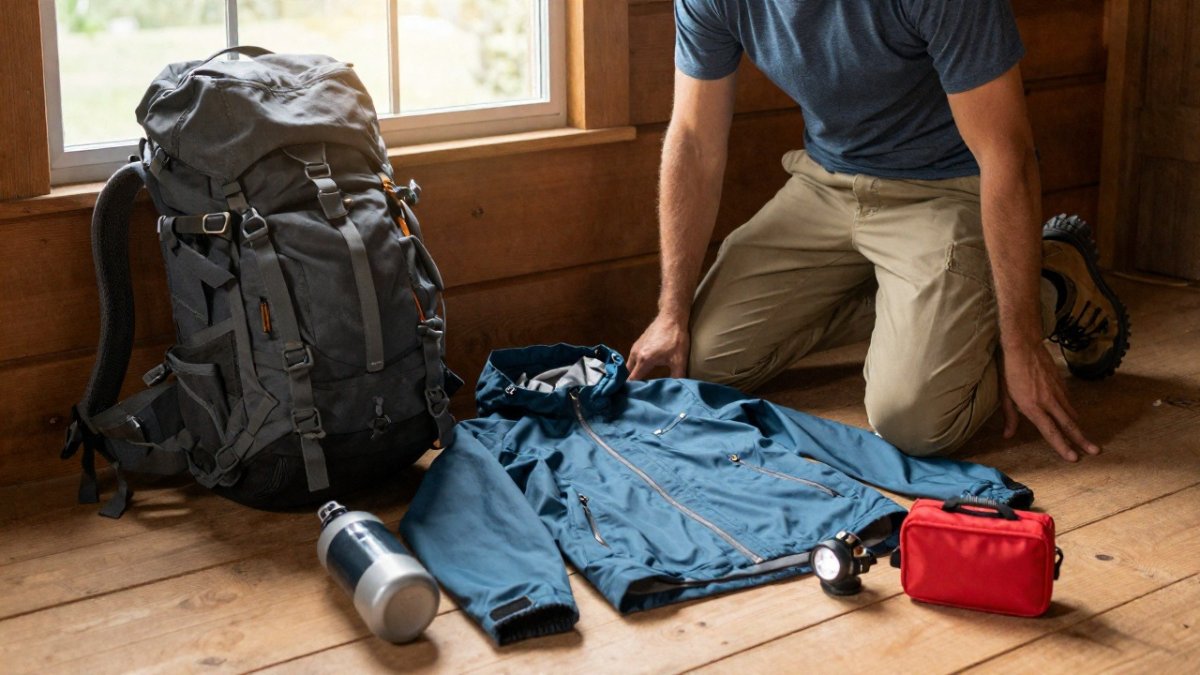
The shared core (both trip types). Navigation, sun protection, insulation layer, headlamp, first aid, fire starter, repair kit, food, water and treatment, and emergency shelter. This is the 10 Essentials kit, and it fits in a daypack of roughly 15 to 25 liters.
Day hike loadout. Daypack, 1.5 to 3 liters of water depending on heat and distance, snacks and a lunch, rain shell, fleece or light puffy, headlamp, small first aid kit, map and compass or phone with offline maps, and a space blanket. A typical day-hike pack lands around 8 to 15 pounds. If your daypack is over 20 pounds for a half-day hike, you are carrying camp gear you do not need.
Overnight loadout. Everything in the core plus a tent or tarp with stakes and guylines, sleeping bag rated for the forecast low, sleeping pad, stove and fuel, pot and utensil, extra food for dinner and breakfast, a bear hang bag or canister, and a dry bag for the sleep system.
The three items that decide your pack weight. Shelter, sleep system, and pack. A two-person double-wall tent typically runs 4 to 6 pounds; a trekking-pole tarp or single-wall shelter can drop to 1.5 to 3 pounds. A synthetic three-season bag runs 2.5 to 4 pounds; a down bag or quilt can run 1.5 to 2.5 pounds. An internal-frame weekend pack runs 3 to 5 pounds; an ultralight framed pack can run under 2.5 pounds.
How to decide. If you are hiking out and back in a day, pack the core and leave the sleep system at home. If you are sleeping one or two nights, add the overnight layer and weigh the pack before you leave. A lightweight foldable pack can handle day trips and short overnights, but it is not a substitute for a framed pack once you add a tent, bag, and pad.
Watch out: the most common weekend mistake is carrying overnight gear on a day hike "just in case," which adds 10 or more pounds and turns a pleasant loop into a grind.
Three-Day Hiking Trip Packing List: Shelter, Sleep, and Food
A three-day trip is the most common weekend format, and it comes down to three systems: shelter, sleep, and food. Get those right and the rest of the pack falls into place.
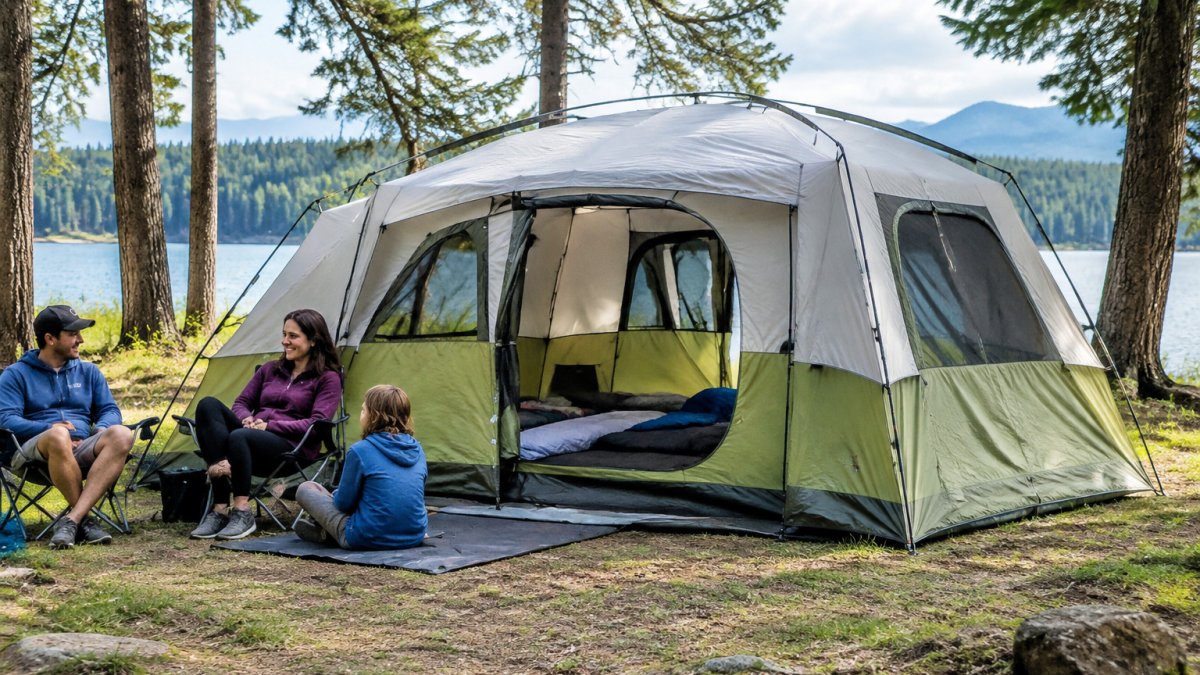
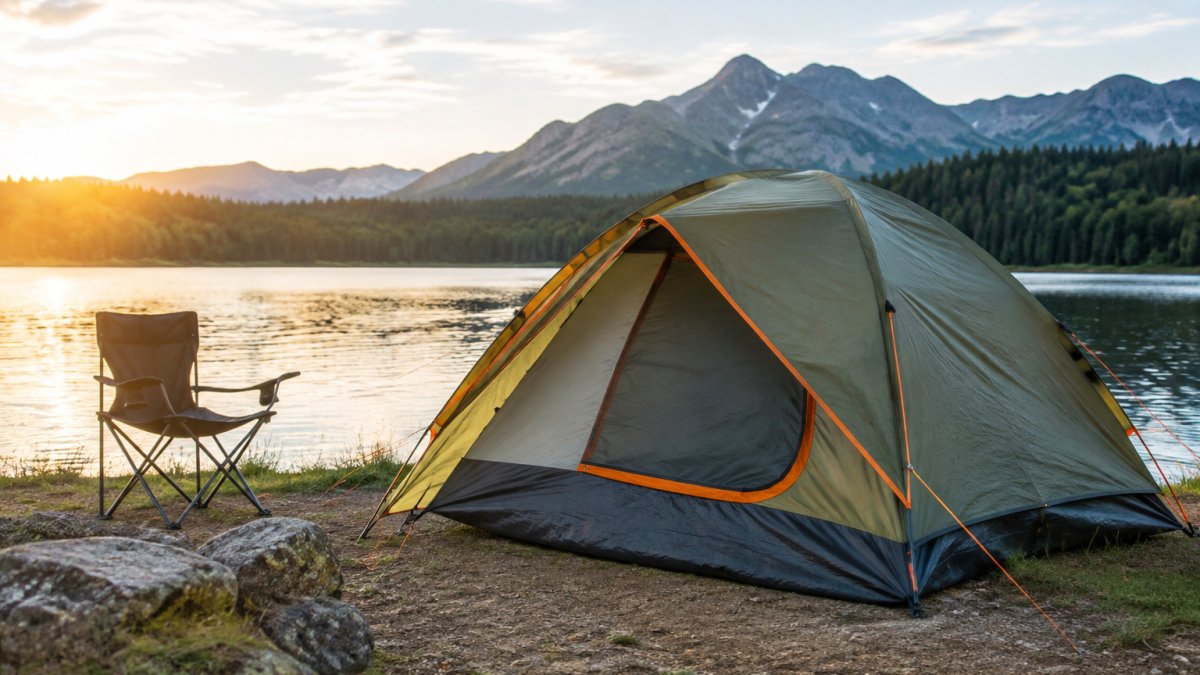
Shelter. A tent sized for one more person than you think you need. Check the hydrostatic head rating and the floor, not just the packed weight. If you want to know how a tent holds up in real rain, read the seam and floor specs rather than the marketing photos.
Sleep system. Sleeping bag, pad, and a liner. A three-season bag covers most weekend trips. A portable 3-season sleeping bag that packs down small saves space for food and layers.
Food and food storage. Plan roughly one and a half times the calories you would eat at home. Pack snacks you can eat without stopping. Store food in a hang bag or canister and keep scented items out of your tent.
Cooking. A small stove, fuel, a pot, and a lighter. Test the stove at home before you leave.
Our three-day hiking trip packing list rule of thumb: if you have not used an item on a training hike, leave it in the car.
Pack Weight Targets and Budget Tiers for Weekend Hiking Gear
Pack weight is the number most weekend hikers ignore, and it is the one that decides whether the trip feels fun or miserable. A widely used target is a loaded pack under 20 percent of your body weight, and lighter is better. For a 160-pound hiker that is about 32 pounds all-in, including food, water, and fuel.
Where the weight actually goes. For a typical three-season weekend kit, shelter, sleep system, and pack account for roughly 60 to 70 percent of base weight. Clothing and layers take another 15 to 20 percent. The remaining 10 to 20 percent is the small stuff: cook kit, water treatment, first aid, navigation, and repair. Weigh each category once at home on a kitchen scale, and you will see immediately where to spend money.
The trade-off math. Upgrading from a 5-pound tent to a 2-pound tent saves 3 pounds. Upgrading from a 3.5-pound synthetic bag to a 2-pound down bag saves 1.5 pounds. Upgrading from a 4.5-pound pack to a 2.5-pound pack saves 2 pounds. Together those three swaps can cut base weight noticeably, though lighter gear generally costs more than entry-level equivalents. The practical approach is to spend on the items you carry all day and save on camp comfort.
| Budget Tier | Tent | Sleep System | Pack | Typical Base Weight | Best For |
|---|---|---|---|---|---|
| Entry | Basic 2-person dome, 5 to 7 lb | Synthetic bag, foam pad, 4 to 5 lb combined | Simple internal-frame pack, 4 to 5 lb | 18 to 25 lb | First one or two trips |
| Mid-range | 3-season double-wall, 3.5 to 5 lb | Down or quality synthetic bag plus inflatable pad, 3 to 4 lb combined | Adjustable-harness pack, 3 to 4 lb | 13 to 18 lb | Regular weekend hikers |
| Lightweight | Sub-3 lb trekking-pole or single-wall tent | Down quilt plus ultralight pad, 2 to 3 lb combined | Ultralight framed pack, under 2.5 lb | 9 to 13 lb | Hikers chasing pack weight |
Typical Base Weight
Budget guidance. You do not need top-tier gear for a weekend. You need gear that fits, works, and survives a season. The honest middle path is to buy entry-level for shelter and sleep on your first trips, then upgrade the item that bothers you most after two or three weekends. Pricing depends on the item, quantity, and current availability, so check the Get Camping Store website for current prices or a quote.
Watch out: advertised "packed weight" often excludes stakes, guylines, stuff sacks, and fuel, so weigh the complete system at home rather than trusting the spec sheet.
Season, Climate, and Route Adjustments to Your Checklist
Your checklist should change with the season and the route, not just the calendar. A summer trip at low elevation looks nothing like a spring trip above the treeline.
Cold and wet trips: add a warmer insulation layer, waterproof gloves, and a dry bag for your sleep system. Wet gear at night is the biggest comfort killer.
Hot and dry routes: carry more water than you think you need and add a collapsible container for the camp supply. A 13L portable water bag folds flat when empty and covers the extra capacity without weight penalty.
Exposed or remote routes: add navigation redundancy, a beacon or satellite messenger, and a printed route plan left with someone at home. Cell service is not a plan.
Bug season: head net, repellent, and a tent with good ventilation.
Match the checklist to the actual forecast and the route's water sources. A route with reliable streams needs less carried water than a dry ridge.
Download a Backpacking Checklist PDF and Run a Pre-Trip Gear Check
A backpacking checklist PDF you can print and tick off is worth more than a mental list. The night before, lay everything out and run a gear check.
Use this pre-trip check:
- Tent pitched once at home, all stakes and poles present
- Sleeping bag lofted and dry, pad inflated and holding air
- Headlamp and spare batteries tested
- Water filter tested, backup treatment packed
- First aid kit restocked, personal meds included
- Stove lit and fuel topped up
- Navigation loaded and route shared with a contact
- Food portioned and food storage packed
- Layers and rain shell fitted and reachable
- Pack weight checked against your target
Watch out: the most common failure is a piece of gear tested only in the store. Pitch the tent and light the stove at home before the trip, not at camp in the dark.
Stock Your Weekend Hiking Gear at Get Camping Store
Building a weekend kit should not mean five separate orders and a pile of guesswork. Get Camping Store offers tents, hiking supplies, and survival gear in one place, with an online shopping experience and customer service to help you choose.
We focus on high-quality goods at affordable prices and a user-friendly shopping experience. Whether you need a complete survival and first aid kit or a single replacement item, you can shop for it online.
Start with the 10 Essentials, add the trip-specific gear, and check your pack weight before you leave. Get started with Get Camping Store and gear up for your next weekend on the trail with confidence.
Frequently Asked Questions
What should I pack for a weekend hiking trip?
For a weekend hiking trip, pack the 10 essentials first: navigation (map and compass or GPS), sun protection, insulation, illumination, first aid supplies, repair kit, nutrition, hydration, emergency shelter, and a fire starter. Add footwear you have already broken in, moisture-wicking layers, rain gear, and a headlamp with spare batteries. Day hikers can carry a 20-30 liter daypack, while overnight trips need a 50-65 liter pack plus shelter and a sleep system. Build your weekend hiking gear around the route, weather, and trip length.
What are the 10 things every hiker needs?
The 10 essentials for hiking are navigation tools, sun protection, insulation, illumination, first aid supplies, a repair kit and multi-tool, nutrition, hydration, emergency shelter, and fire-starting tools. These items cover the situations most likely to turn a good hike into an emergency. Beyond the list, add footwear, weather-appropriate clothing, and a map of your route. The point is not to carry everything, but to carry enough to respond to an injury, a wrong turn, or a sudden storm without needing help.
How do I pack light for a weekend backpacking trip?
Start by weighing your three heaviest items: shelter, sleep system, and pack. Keep your total base weight (everything except food, water, and fuel) under roughly 20 pounds for a comfortable weekend trip. Choose a tent sized for your group rather than a larger one, use a sleeping pad with a suitable R-value for the season, and repackage food and toiletries into smaller containers. Leave the cotton clothing and extra outfits at home. A printed backpacking checklist PDF helps you avoid packing duplicates.
What do I need for a three-day hiking trip that a day hike does not require?
A three-day hiking trip adds shelter, a sleep system, more food, and often a water filter. You will need a tent or tarp, a sleeping bag rated for the expected overnight temperatures, a sleeping pad, and a stove with fuel. Food storage matters too, whether that is a bear canister or a hanging system depending on the area. Carry a larger pack (50-65 liters), a headlamp with spare batteries, and a more complete first aid kit. Plan water sources in advance so you know whether to carry a filter or extra bottles.