 blog
Best Durable Tents Under 300 for 2026
Last Updated: November 22, 2026
Quick Summary
The best durable tents under 300 balance weight, weather protection, and livability, so match the tent to how you camp. For backpacking, the 2-Person 4-Season Ultralight is our top pick with PU3000mm weather armor and a five-minute pitch. For car camping, the 4 Person Pop Up Tent opens in seconds and adds a front awning.
- Look for 68D or higher fabric denier for abrasion resistance.
- Choose a 3,000mm or higher waterproof rating on fly and floor.
- Aluminum poles bend and spring back, while fiberglass poles splinter.
- Taped seams resist water; stitched-only seams wick it through.
- Dry the tent fully before storing, because mildew destroys waterproof coatings faster than UV.
Table of Contents
- What Separates a Durable Tent From a Disposable One
- Quick Comparison: Best Durable Tents Under 300
- Best Durable Tents Under 300 for Backpacking
- Best Durable Tents Under 300 for Camping
- How to Choose a Durable Camping Tent
- How to Make a Tent Last Longer
- The Real Cost of a Cheap Tent: Accessories, Repairs, and Replacements
- Shop Durable Tents Under 300 at Get Camping Store
- Frequently Asked Questions
What Separates a Durable Tent From a Disposable One
A durable tent is one built from high-denier fabric, sealed seams, and poles that survive real wind, not just a label that says "waterproof." Most budget tents fail in the same three places: the floor, the seams, and the zippers. Understanding why separates a tent you keep for years from one you replace every season.
A tent that looks fine on the shelf can still leak on the first rainy trip. The difference usually comes down to construction details you can check before you buy.
Fabric, Denier, and Waterproof Ratings That Actually Matter
Denier measures thread thickness. Higher denier means heavier, tougher fabric. A 20D fabric is light but fragile; 68D and up handles abrasion far better.
Waterproof ratings are measured in millimeters of hydrostatic head. A 1,500mm rating handles light rain. For three-season camping, look for 3,000mm or higher on the rainfly and floor. The industry waterproofing standards explained by REI break down what these numbers mean in practice.
Pole Structure, Seams, and Zippers: Where Budget Tents Fail First
Aluminum poles bend and spring back. Fiberglass poles splinter. On a windy ridge, that difference decides your night.
Seams are the second weak point. Taped seams resist water; stitched-only seams wick it through. Zippers fail when they are thin coil types under tension, so check for chunky, protected zippers on doors and vestibules.
Quick Comparison: Best Durable Tents Under 300
| Model | Best For | Sleeps | Key Strength | Watch Out |
|---|---|---|---|---|
| 2-Person 4-Season Ultralight | Backpacking | 2 | PU3000mm, 5-minute setup | Tight for tall sleepers |
| 4-Person Pop Up Family Tent | Car camping | 4 | Seconds to pitch, front awning | Heavy for trails |
| Oxford Bell Tent | Base camps | 4-6 | Tear-resistant Oxford fabric | Long setup time |
Sleeps
The best durable tents under 300 balance weight, weather protection, and livability. No single pick wins every category, so match the tent to how you camp.
Best Durable Tents Under 300 for Backpacking
Backpacking is the use case where weight matters most. A durable shelter that is light enough to carry usually trades interior volume for grams. Check trail weight, usable floor area, weather construction, and the cost of any accessories before you buy.
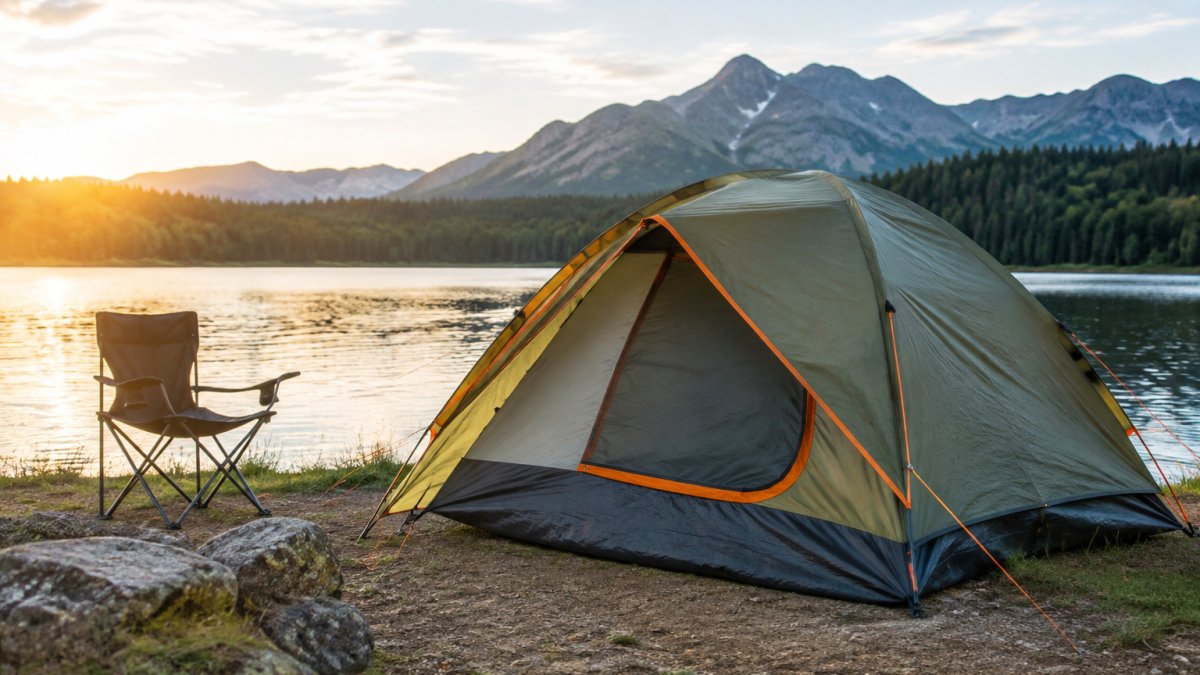
For backpacking, the 2-Person 4-Season Ultralight Backpacking Tent is our top pick. It uses PU3000mm weather armor, dual vestibules, and a freestanding design that pitches in about five minutes. Two doors mean no climbing over your partner at 2 a.m. What most guides miss is that a four-season shelter this light is rare under budget. The trade-off is interior space: it sleeps two, but tall hikers will feel the walls.
Best for: Couples and solo hikers who want one tent for three seasons and light winter use. Skip if: You need standing room or space for gear inside.
Packed Weight, Trail Weight, and What Your Back Actually Carries
Packed weight includes the stuff sack, stakes, and guylines. Trail weight is the tent body, fly, and poles only. That gap can be a pound or more, and it matters on a long approach. Weigh your full kit before a trip, not just the box label.
Floor Dimensions, Peak Height, and Realistic Fit
Listed capacity can be optimistic, so check the floor dimensions yourself before you buy. Check the floor dimensions and peak height before you buy: a peak under 40 inches means most adults sit hunched, and a tent with a single door and small vestibule forces gear into the sleeping area. Measure your pads, add a few inches at each end, and compare that number to the listed floor length rather than trusting the capacity label.
Weather Construction and Ventilation on the Trail
Ventilation matters as much as waterproofing: a double-wall tent with mesh panels and a fly vent helps reduce condensation, while a single-wall shelter can leave you and your bag damp by morning.
Total Cost: What the Sticker Price Leaves Out
Before you commit, confirm whether a footprint is included, whether the fly is factory seam-sealed, and whether replacement poles and stakes are sold separately. Pricing depends on the specific model and accessories, so check Get Camping Store's website for current prices or a quote.
Best Durable Tents Under 300 for Camping
Car camping changes the math. You are not carrying the tent far, so weight matters less and livability matters more: floor area, peak height, a vestibule or awning for chairs and coolers, and a setup that does not eat into camp time. The under-$300 ceiling is generous here, but it is also where budget tents most often disappoint, because a large tent with thin fabric and fiberglass poles can fail at the seams or zippers before the second season.
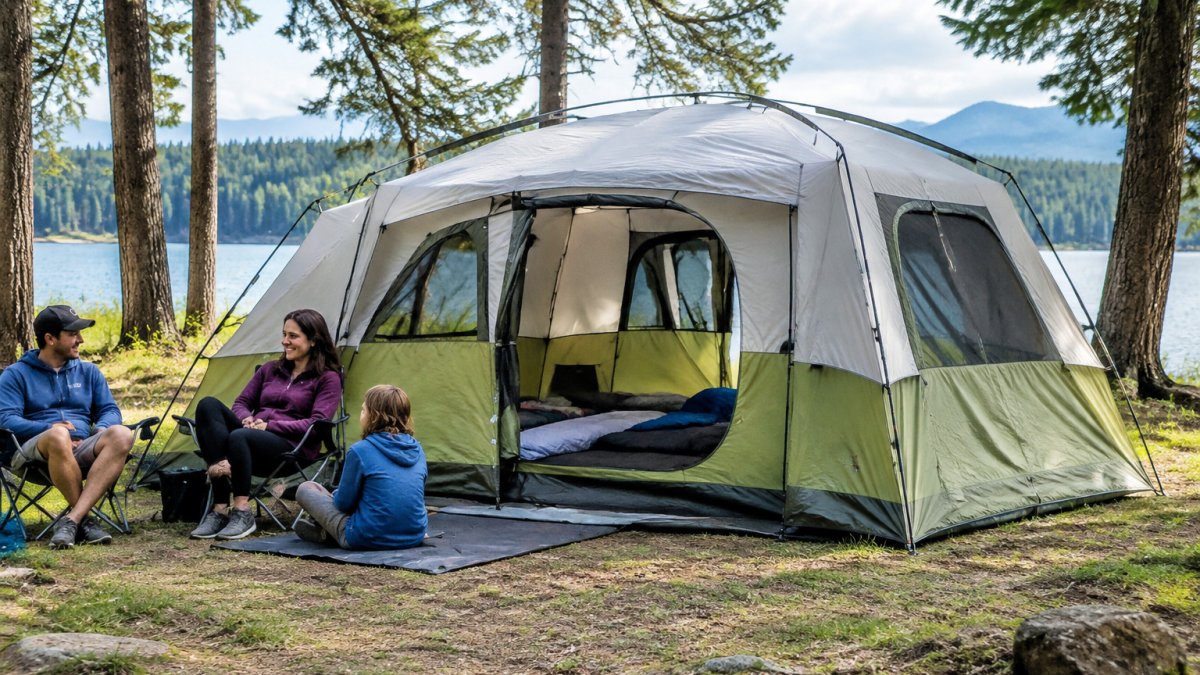
Car campers should look at the 4 Person Pop Up Tent for Camping. Pre-assembled poles mean it opens in seconds, and the front awning gives you a dry spot for chairs and coolers. For families, that speed matters more than grams.
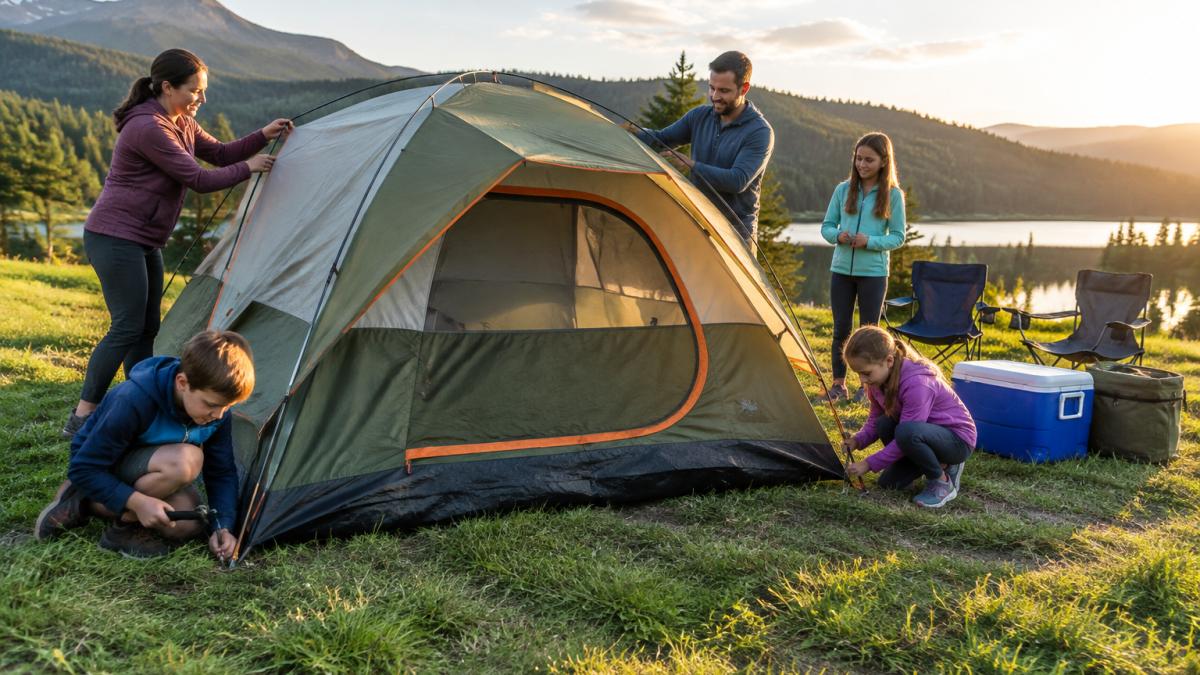
The woman is American.
Floor Area, Peak Height, and Honest Sleep Capacity
Listed sleep capacity can be optimistic, so check the floor area yourself before you buy. Check floor area and peak height: under 60 inches of peak height means most adults crouch. Measure your sleeping pads and add a foot at each end before you commit. Gear needs its own floor space or a vestibule. A tent with a large floor but a low peak can still feel cramped once several people and their bags are inside.
Weather Protection for Car Camping
Car camping tents face less wind than alpine shelters but more sustained rain and ground moisture. Look for a fly and floor rated at 3,000mm or higher, taped seams, and a bathtub floor that keeps water from seeping in at the edges. A full-coverage fly protects the walls better than a partial fly, and a vestibule or awning gives you a dry place to cook or sit. Ventilation still matters: a large tent with poor airflow collects condensation, and a damp interior is the most common complaint from family campers.
Setup, Pole Design, and Packed Size
Pop-up and pre-assembled pole designs are fast, but they can pack long and be awkward to store. Conventional dome tents with aluminum poles take longer to pitch but can pack smaller. Check the packed length against your vehicle and storage space, and confirm the pole material: aluminum poles bend and spring back, while fiberglass poles splinter. For a family tent that goes up and down many times a season, pole durability is the difference between a tent that lasts and one that gets replaced.
Total Cost: Footprints, Stakes, and Accessories
A car-camping tent under $300 often needs a footprint to protect the floor from abrasion and ground moisture, and it may ship with stakes that are too short for soft ground. Add a footprint, better stakes, and seam sealer and the real cost climbs. Before you buy, confirm whether the footprint is included, whether the fly is factory seam-sealed, and whether replacement poles are available. A tent that includes these is often the better value, and it is the difference between a shelter that survives several seasons of family trips and one that leaks on the first rainy weekend.
How to Choose a Durable Camping Tent
Start with how you camp, not the spec sheet. Backpackers need low weight and a small footprint. Families need floor area and easy setup. Base campers can accept more weight for more room.
Then check these in order:
- Fabric denier: 68D or higher for abrasion resistance
- Waterproof rating: 3,000mm+ on fly and floor
- Pole material: aluminum over fiberglass
- Seams: taped, not stitched only
- Ventilation: mesh panels and roof vents to cut condensation
A durable tent is a system, not a single number. If you want to see how these specs look on a real shelter, the Oxford fabric bell tent shows the construction details worth comparing.
How to Make a Tent Last Longer
Setup and storage decide a tent's lifespan more than any spec. Pitch on a footprint or clean ground, never on sharp roots. Keep the fly tensioned so wind does not flap seams loose.
After every trip, dry the tent fully before storing it. Mildew destroys waterproof coatings faster than UV. Store it loose, not compressed, and avoid leaving it in a hot car.
A common mistake is packing a wet tent "just this once." That single trip often starts the mildew that ends the tent. A waterproof compression stuff sack helps organize storage, and a thick inflatable sleeping pad reduces floor abrasion from the inside.
The Real Cost of a Cheap Tent: Accessories, Repairs, and Replacements
The sticker price is not the total cost. A cheap tent often needs a footprint, extra stakes, and seam sealer in year one, then a replacement in year two. Add those up and the "budget" tent costs more than a durable one.
Fiberglass poles can splinter, so pole material is worth checking before you buy.
Shop Durable Tents Under 300 at Get Camping Store
Choosing a tent that survives real weather comes down to fabric, seams, and poles, and matching those to how you actually camp. Get Camping Store offers tents and camping gear through an online shopping experience designed to be fast and user-friendly. Browse our collection and gear up with confidence.
Ready to find a tent that holds up trip after trip? Get started with Get Camping Store and shop durable tents built for real weather.
Frequently Asked Questions
What should I look for in a durable tent under $300?
Focus on four things: fabric denier and waterproof rating (look for a rainfly rated around 1,500mm or higher), pole material and diameter (aluminum over fiberglass), taped or sealed seams, . Check packed weight and floor area against your real use case, and confirm whether a footprint is included or sold separately, since that changes the true price. A durable tent under $300 is one where the materials and construction match how you'll actually camp.
Are budget tents under $300 suitable for backpacking?
Some are, but weight is the tradeoff. Durable fabrics and aluminum poles add grams, so a durable backpacking tent is usually heavier than an ultralight model. That's fine for weekend trips and short approaches. For long-mileage thru-hikes, the weight penalty matters more. Decide based on miles per day and how much you're willing to carry, not on the price tag alone.
How long should a good camping tent last?
With proper care, a well-built three-season tent can last several seasons of regular weekend use. Lifespan depends more on how you treat it than on price: store it dry, avoid UV exposure when you can, clean the zippers, and reapply waterproofing to the fly and floor as it wears. Tents that live in a hot car or get packed away wet tend to wear out faster than cared-for tents.
How can I make a tent last longer?
Always dry the tent fully before storage, and never leave it packed wet. Use a footprint or a ground tarp to protect the floor from abrasion and punctures. Pitch in shade when possible to slow UV degradation of the fabric and mesh. Clean zippers with a soft brush and apply zipper lubricant. Re-seal seams and reapply DWR coating when water stops beading. Store loosely in a cotton sack rather than compressed in the stuff sack, and repair small tears immediately before they spread.